


What Makes a Good Boat Cleaner in 2026
A good boat cleaner is so much more than just soap in a bottle. It's a specialized formula built to cut through the unique grime that every boater knows too well, salt, algae, and relentless UV rays, all without damaging your boat or the water you enjoy. Think of it as a direct investment in your boat's health, appearance, and future value.
Why Your Choice of Boat Cleaner Matters

Your boat is under constant assault from the elements. Salt spray is determined to corrode metal, the sun works to fade your gelcoat, and any damp corner is a breeding ground for mildew. Grabbing a generic household cleaner to deal with this is like trying to fix an engine with a butter knife. You're just using the wrong tool for the job, and you'll probably do more harm than good.
That's why a high-quality, marine-specific cleaner is so essential. These products are formulated to solve boat-specific problems. This need for specialized care is a big reason why North America commands over 40% of the global revenue for marine cleaning products in 2024. With more than 11 million registered boats in the U.S. alone, that's a lot of vessels that need proper upkeep.
The payoff for this effort is huge. Boats that are cleaned regularly hold 18-25% higher resale value, and those maintained with premium products can sell up to 40% faster. You can dig into the numbers and see why quality cleaning pays off by checking out the latest marine products market report.
Understanding Different Cleaner Types
Picking the right product is all about knowing what you're up against. Is it time for a routine wash-down, are you fighting a specific stain, or is this the start of a full-blown restoration project? Each task calls for a different type of cleaner.
At Better Boat, the philosophy is simple: create effective, safe, and easy-to-use products that give boaters the right tool for every cleaning challenge. This approach helps you get a brilliant shine without risking damage to your boat's sensitive surfaces.
A boat is a floating investment exposed to constant wear. The right cleaner isn't just about making it shine; it's about preserving its value and integrity, one wash at a time.
To help you find the perfect match for your needs, here is a quick guide to the main types of cleaners and what they do best.
Quick Guide to Better Boat Cleaner Types
This table breaks down cleaners to help you quickly grab the right bottle for the right job.
| Cleaner Type | Best For | Key Feature | Better Boat Product Link |
|---|---|---|---|
| All-Purpose | Routine washes, light dirt, and general upkeep. | A pH-neutral formula that won't strip wax or sealants. | Premium Boat Soap Concentrate |
| Heavy-Duty | Tough grease, oil, fish blood, and stubborn grime. | A concentrated formula that breaks down heavy contaminants. | Heavy-Duty Degreaser |
| Specialty | Specific problems like mildew, oxidation, or rust. | Targeted ingredients that attack a single problem effectively. | Mildew Stain Remover |
For nearly every boat owner, a great all-purpose soap is the foundation of their cleaning kit. Premium Boat Soap Concentrate is the perfect workhorse for this. It's tough enough to lift away salt and grime from a day on the water but gentle enough to use every week without worrying about stripping your protective wax layer. It's the ideal starting point for keeping your vessel looking sharp all season.
Decoding the Formula Inside Your Cleaner
Ever stood in the store, staring at a wall of boat cleaners and just felt lost? It's a common feeling. Picking the right cleaner is a lot like knowing when to grab a wrench instead of a hammer. Using the wrong tool for the job can make a mess of things.
The secret is what's actually in the bottle. Think of your cleaning supplies as a specialized toolkit. You wouldn't use a delicate brush for a rusty bolt, and you wouldn't use a power sander on your vinyl seats. A general-purpose soap, a heavy-duty degreaser, and a hull cleaner are all built differently because they fight different battles.
The Role of pH in Boat Cleaning
One of the biggest factors separating these formulas is the pH scale, which simply measures how acidic or alkaline a liquid is. A formula with a pH-neutral balance (right around 7) is your gentle, everyday workhorse. It's perfect for routine washes because it won't strip away the protective wax or sealant you've worked so hard to apply. This is exactly why Premium Boat Soap Concentrate is the go-to for weekly wipe-downs.
But sometimes, "gentle" just doesn't cut it. For the really tough stuff, you need to bring in the specialists.
The most effective boat cleaner isn't the strongest one on the shelf; it's the one with the right chemical makeup for the mess you're facing. Using the wrong pH can be just as damaging as not cleaning at all, especially on sensitive surfaces like gelcoat or vinyl.
When to Use Specialized Formulas
For those stubborn, greasy messes like engine oil, fish blood, or that nasty grime that builds up in the bilge, a simple soap just isn't going to do the trick. This is degreaser territory. Degreasers are typically alkaline (meaning they have a high pH), which gives them the power to break down and lift away oily, greasy gunk that neutral cleaners just smear around.
A dedicated heavy-duty degreaser is a must-have in any serious cleaning kit. For a deeper look into the best products for every situation, review this comprehensive guide to essential boat cleaning products.
On the other side of the scale, you have acidic (low pH) cleaners. These are your heavy hitters for mineral-based problems. Think of them for jobs like:
- Erasing rust stains from your metal cleats and railings.
- Brightening a yellowed hull or scrubbing away that grimy "boat mustache" at the waterline.
- Tackling the chalky oxidation that makes an older gelcoat look faded and tired.
Understanding what each type of cleaner does is the key to working smarter, not harder. When you match the right formula to the filth, you'll get a better-looking boat with a lot less elbow grease.
Matching the Right Cleaner to Every Boat Surface
If you think one all-purpose cleaner can handle every job on your boat, you're in for a rude shock. Every material on your boat, from the hull to the seats, has its own unique needs and weaknesses.
A truly good boat cleaner isn't a single bottle. It's a team of specialized products ready to tackle specific problems. This isn't just about getting a better shine; it's about protecting your investment. Using the wrong cleaner can cause permanent damage, like an aggressive acid etching your gelcoat or a harsh solvent drying out your vinyl seats. Knowing what to use and where is what separates the pros from the amateurs.
Cleaning and Restoring Your Hull
Your boat's fiberglass and gelcoat hull is its armor against the elements, and it takes a serious beating. Sun exposure and saltwater eventually lead to oxidation, that ugly, chalky film that makes even a beautiful boat look tired and faded. A simple wash just won't cut it.
For that chalky, oxidized hull, a dedicated hull cleaner is the right starting point before any polishing happens.

Tackle hull oxidation fast
Instant Boat Hull Cleaner
Instant Boat Hull Cleaner cuts through the chalky oxidation and stubborn waterline stains that a routine wash leaves behind. It gives fiberglass and gelcoat the deep clean needed before any polishing or waxing step.
To bring that hull back to life, you need a solid two-step approach. First, you have to get rid of the oxidation. A dedicated oxidation remover is the tool for this job, as it gently buffs away that dead, hazy layer. Once the true color is back, applying a high-quality marine wax creates a barrier against future UV damage and grime. For a deeper dive, check out the complete guide on choosing the right fiberglass boat cleaner.
Tackling Mildew on Vinyl and Upholstery
Nothing ruins the look of a boat's interior faster than those dark, splotchy mildew stains on your vinyl seats and cushions. These stains aren't just ugly; they're a sign of fungal growth that can leave marks in the material over time. Regular soap won't work because it doesn't actually lift the staining out of the material.
You need a targeted solution for this all-too-common problem.
Mildew is a living organism. To restore the look for good, you need a product that not only cleans the surface stain but also lifts the staining from deep in the material. Alkaline-based cleaners are often the best choice here, as mildew tends to thrive in slightly acidic conditions.
A dedicated mildew stain remover is engineered to attack mildew where it lives, lifting those stubborn black and green stains from deep inside the vinyl's pores. You just spray it on, let it work for a few minutes, and wipe it away. No need for the kind of harsh scrubbing that can damage your upholstery. The Boat Interior Vinyl Cleaner is a great option for keeping vinyl surfaces clean and protected.
This simple flowchart shows how cleaner pH levels relate to specific cleaning tasks.

As you can see, while a neutral pH cleaner is perfect for a general wash, you'll want to reach for something more acidic when dealing with tough mineral stains and oxidation.
Caring for Teak and Metal Surfaces
The classic beauty of wood and metal accents requires some specific care to keep them looking sharp. Teak, a favorite for marine use, can turn a sad, weathered gray if neglected. At the same time, your stainless steel and aluminum fittings can start showing rust spots and corrosion.
Restore weathered teak properly
Teak Cleaner and
The Teak Cleaner and Brightener lifts the gray weathered layer and restores the wood's natural color, while the Teak Cleaner Brightening and Sealer Set takes that a step further by sealing the surface against future moisture and UV damage. Choose the brightener alone for a refresh or the full set for a complete restoration.
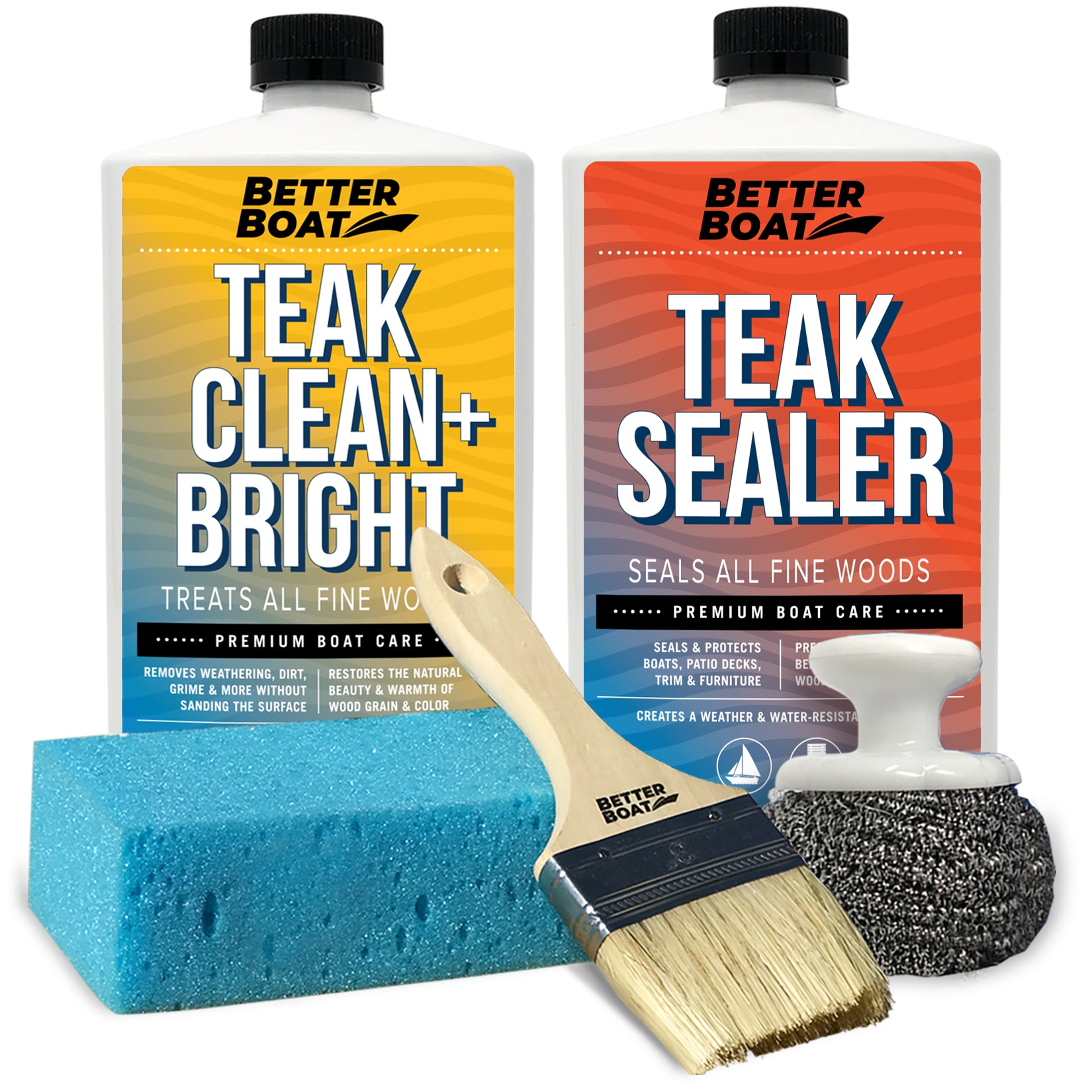

- Teak Care: Bringing weathered teak back to its former glory is a multi-step job. You'll need a teak cleaner to strip away the gray, weathered layer and old oils, followed by a teak brightener to neutralize the cleaner and bring out the wood's warm, natural color.
- Metal Polishing: For your stainless steel, chrome, and aluminum, a good metal polish is non-negotiable. It gets rid of surface rust and tarnish while leaving behind a protective film that helps fight off future corrosion and water spots.
This targeted approach is exactly why the global boat cleaner market is booming, valued at USD 1.95 billion in 2024 and projected to hit USD 3.5 billion by 2035. The experts agree: professional maintenance services have found that consistent, proper cleaning can extend a boat's lifespan by 25-30% and head off up to 90% of corrosion issues. When you use the right product for each job, you aren't just cleaning. You're doing vital maintenance that keeps your boat safe, beautiful, and valuable.
Why Eco-Friendly Boat Cleaners Are Non-Negotiable
Boaters are stewards of the very waterways they love to get out on. Every product used, from soap to wax, eventually finds its way into the water, and that has an impact. This is exactly why choosing a good boat cleaner that's also eco-friendly isn't just a nice-to-have. It's a core part of responsible boat ownership.
It's a shift happening everywhere on the docks. In fact, more than 70% of boat owners now make a point to look for biodegradable cleaning options. For boat owners, prioritizing these products is crucial, mirroring the commitment to marine conservation seen in many organizations' broader adherence to eco-friendly practices.
What Do Those Eco-Friendly Labels Actually Mean?
When you're staring at a wall of cleaning products, labels with terms like "biodegradable" and "phosphate-free" can feel like marketing buzz. But they have real, practical meanings for the water your boat calls home.
-
Biodegradable: This is a big one. It means the cleaner's ingredients can be broken down naturally by microorganisms into simple, harmless stuff like water and carbon dioxide. Non-biodegradable chemicals can stick around for years, posing a threat to fish, plants, and the entire aquatic food chain.
-
Phosphate-Free: Think of phosphates as a super-fertilizer for algae. When cleaners loaded with phosphates wash off your boat, they can cause explosive algae blooms. These blooms suck all the oxygen out of the water, creating "dead zones" where fish and other marine life simply can't survive.
Choosing an eco-friendly cleaner is one of the easiest and most impactful decisions a boater can make. It's a direct vote for healthier waterways, ensuring the environments boaters love remain vibrant for generations to come.
Powerful Cleaning That's Gentle on the Water
Better Boat formulas are engineered to be tough on grime but gentle on the water, staying true to the spirit of regulations like the Clean Water Act.
This commitment is at the heart of everything, from all-purpose boat soap to more specialized cleaners. Want to learn how to make your whole cleaning routine greener? Check out the guide to eco-friendly boat cleaning products.
Mastering Your Boat Cleaning Technique

Even the best boat cleaner on the market won't give you that head-turning, showroom shine without the right technique. A little know-how goes a long way, cutting your cleaning time down and giving you much better results.
The single biggest trick of the trade is the top-down method. It's simple: always start cleaning at the highest point of your boat, like the flybridge or cabin roof, and work your way down. This keeps dirty water and soap from running over spots you've just cleaned. You'll avoid the frustration of washing the same area twice.
Essential Steps for a Flawless Wash
Before you even think about dunking a brush in a bucket, give the whole boat a good rinse with fresh water. This quick pre-rinse is a game-changer. It knocks off all the loose stuff, salt, bird droppings, dust, and light grime, so your cleaner can focus its power on the tougher, baked-on messes.
When you're ready to start scrubbing, don't try to tackle the whole boat at once. Work in small, manageable sections. This approach lets you scrub and rinse an area completely before the sun has a chance to dry the soap, which is the number one cause of those frustrating spots and streaks.
Here's the workflow to use every time:
- Pre-Rinse: Get the entire boat wet, starting from the top.
- Wash a Section: Apply your boat soap mixture and give the area a good scrub.
- Rinse Thoroughly: Immediately rinse all the suds and loosened dirt away with clean water.
- Move to the Next Section: Repeat the process, making sure to slightly overlap the area you just cleaned.
Pro Tip: If you can, always wash your boat in the shade or on an overcast day. Direct sun is your enemy here. It heats the hull and makes soap and water evaporate way too fast, leaving behind a streaky, spotty mess.
The Right Tools Make All the Difference
You wouldn't try to wax your car with a paper towel, right? The same logic applies to your boat. Arming yourself with the right tools doesn't just make the job less of a chore; it delivers a finish that's worlds apart. A few key items can turn a dreaded task into a quick and easy routine.
A great set of tools makes your cleaner work even better. For instance, a stiff deck brush is your best friend for getting grime out of non-skid surfaces, while a softer brush is non-negotiable for protecting your gelcoat and painted areas.
Here's what should be in every boater's cleaning kit:
- A Sturdy Deck Brush: Perfect for textured, non-skid decks. The Deck Boat Brush Head 8" is stiff enough to power through grime but won't scratch up your gelcoat.
- A Telescoping Extension Rod: This is a real back-saver when you're cleaning the hull sides or the cabin top. The Boat Extension Rod for Mop and Brushes helps you cover large areas fast.
- High-Quality Microfiber Towels: When it's time to dry, nothing beats microfiber. Super-absorbent microfiber towels soak up water to prevent spots and leave a perfect, lint-free shine.
Combine this proven technique with the right gear, and you'll get a flawless, professional-looking clean every single time.
Protecting Your Shine for a Lasting Clean
There's nothing quite like the satisfaction of standing back to admire your boat after a thorough cleaning. But if you stop there, all that hard work can vanish in a single trip. The most critical step in any boat cleaning routine isn't actually about cleaning. It's about protection. This is how you lock in that shine and make your next cleanup a whole lot easier.
Think of it this way: washing your boat without protecting it is like leaving it naked against the elements. You need a shield. Waxes, polishes, and sealants create that essential barrier, defending your boat's surfaces from the constant assault of UV rays, salt spray, and grime.
Wax Is Your Boat's Best Sunscreen
Your boat's gelcoat is incredibly vulnerable to sun damage. That chalky, faded look you see on older hulls? That's oxidation, and the sun is the primary culprit.
The best defense is a good offense. Applying a quality marine wax is like lathering your boat in sunscreen. It creates a tough, protective layer that not only beads water but also deflects the harmful UV radiation that ages your finish.
A good marine wax doesn't just restore that rich look; it seals the surface to guard against environmental abuse. This slick coating means dirt and salt have a much harder time sticking, so your next wash will be faster and less of a workout.
A regularly waxed boat isn't just easier to clean. It's actively shielded from the very things that cause aging and wear. It's the single most important thing you can do to protect your investment for the long haul.
A Simple Schedule for Lasting Results
Keeping your boat protected doesn't have to feel like a second job. With the right products and a simple schedule, maintenance becomes completely manageable. You've already done the hard part by getting it clean; now it's time to protect that work.
Recommended Boat Cleaning and Maintenance Schedule
| Frequency | Task | Recommended Better Boat Product(s) |
|---|---|---|
| Weekly | Perform a quick freshwater rinse to remove loose salt and dirt. | N/A (Freshwater) |
| Monthly | Give the boat a thorough wash to remove accumulated grime. | Premium Boat Soap Concentrate |
| Bi-Annually | Apply a protective layer to shield surfaces from UV rays and salt. | Marine Wax or Polish with Sealant |
Following this simple routine helps ensure your boat is always ready to hit the water and look good doing it. For an extra layer of defense on high-traffic areas, a vinyl protectant with UV is a must for seats and cushions to prevent cracking and fading. The Boat Interior Vinyl Cleaner is a great starting point for keeping those surfaces in top shape.
To see how these products work together to create an unbeatable finish, explore the guide on using marine wax and polish.
Your Boat Cleaner Questions Answered
Even with the best intentions, a few questions always pop up when you're trying to nail down the right boat cleaner. Here are the most common ones with quick, straight answers.
Can I Use Household Cleaners on My Boat?
It's tempting to grab that bottle of dish soap or all-purpose spray from under the sink, but this is one shortcut you absolutely want to avoid. Household cleaners are just not built for the unique challenges of a marine environment.
Their harsh chemicals can eat right through your boat's protective wax layer, leaving the delicate gelcoat exposed. Over time, they can also cause vinyl upholstery to fade and become brittle. On top of that, these products aren't biodegradable and can cause real harm to the very water you're out there to enjoy. Always stick with cleaners formulated specifically for boats.
How Often Should I Wash My Boat?
This really boils down to how often you're on the water and where you store your boat. As a simple rule of thumb, a quick rinse with fresh water after every single trip is a fantastic habit to get into. This is especially true if you boat in saltwater, as it stops salt crystals from building up and starting corrosion.
For a proper wash-down using a quality product like Premium Boat Soap Concentrate, try to aim for at least once a month. This keeps the grime from digging in, which makes every future wash that much easier. If your boat lives in the water or sees heavy action, you might find a bi-weekly wash is what you need.
The most common myth in boat care is that mildew is unavoidable. It isn't. With consistent cleaning using the right alkaline formulas and good ventilation, you can keep it from ever starting.
How Do I Remove Stubborn Mildew Stains for Good?
Fighting mildew can feel like a losing battle, but it doesn't have to be. Mildew loves damp, dark, and slightly acidic places. The trick isn't just wiping the stain off the surface; it's about lifting the staining from deep down so the material comes clean.
This is a job for a specialist. An alkaline formula gets deep into the pores of vinyl, canvas, and other materials to lift the staining from deep in the material. You just spray it on, let it do the hard work for a few minutes, and then wipe it clean. No need for back-breaking scrubbing. The Boat Interior Vinyl Cleaner is a solid option for maintaining vinyl between deeper treatments. To keep mildew from returning, focus on keeping those areas dry and well-ventilated.
What Is the Best Cleaner for an Inflatable Boat?
Inflatable boats need a gentle touch. Whether your boat is made from Hypalon or PVC, the material is sensitive to abrasive chemicals and, most importantly, UV rays. You're looking for a cleaner that's tough on dirt but won't degrade the fabric.
Find a product that is specifically labeled for use on inflatable boats or RIBs. The best ones will also include a UV protectant in the formula, which is critical for preventing the sun from breaking down the material and turning it chalky and brittle over time.
At Better Boat, everything you need to keep your vessel in prime condition is available, from specialized cleaners to essential maintenance tools.
Shop the complete collection of premium boat cleaning and care products at betterboat.com.
Ready to try a full cleaning solution? The Boat Interior Cleaning Kit is available at betterboat.com.


